August 13, 2026
Concrete and masonry shape how a residential property looks, functions, and handles daily use. A driveway supports vehicles, a walkway guides foot traffic, a patio creates outdoor living space, and stairs connect areas with different elevations. When these features begin to crack, settle, wear, or lose their visual appeal, homeowners may need to consider whether a new installation would better serve the property.
Knowing when to invest in local concrete services can help property owners address practical concerns before they become larger obstacles. The right timing depends on the location of the damage, how the surface is used, whether safety or drainage is affected, and whether the existing installation still fits the property's needs. Appearance matters too, especially when worn surfaces begin to detract from curb appeal or limit how outdoor areas can be enjoyed.
Timing is not based on visible damage alone. A surface may remain intact but no longer suit how the household uses the property. A narrow walkway, undersized patio, or poorly positioned set of steps can create recurring inconvenience even without major cracking.
Cracks Are Widening or Spreading
A small surface crack does not always mean an entire slab has failed, but changes in the crack deserve attention. Widening gaps, branching cracks, or multiple fractures across a driveway, patio, walkway, or floor may indicate that the surface is under continued stress. Seasonal temperature changes and moisture can also make existing damage more noticeable over time.
The location of a crack is important. Damage near the edge of a step, along a frequently used walkway, or across a garage floor may affect more than appearance. A professional evaluation can help determine whether a new installation is appropriate or, when a concrete floor is involved, whether repair or restoration may be suitable.
Uneven Surfaces Are Affecting Safety
Concrete that has settled or shifted can create uneven transitions. A raised edge on a walkway, an irregular stair, or a sloped section of patio may become difficult to use comfortably. These changes can interfere with furniture placement, access to an entryway, or movement between different parts of the property.
When an existing feature no longer provides a dependable surface, a properly planned new walkway, patio, or stair installation can create a more consistent area that fits the surrounding landscape and structures. Proper measurements, grading, and finishing details matter when these features are planned and built.
A Driveway No Longer Handles Daily Use Well
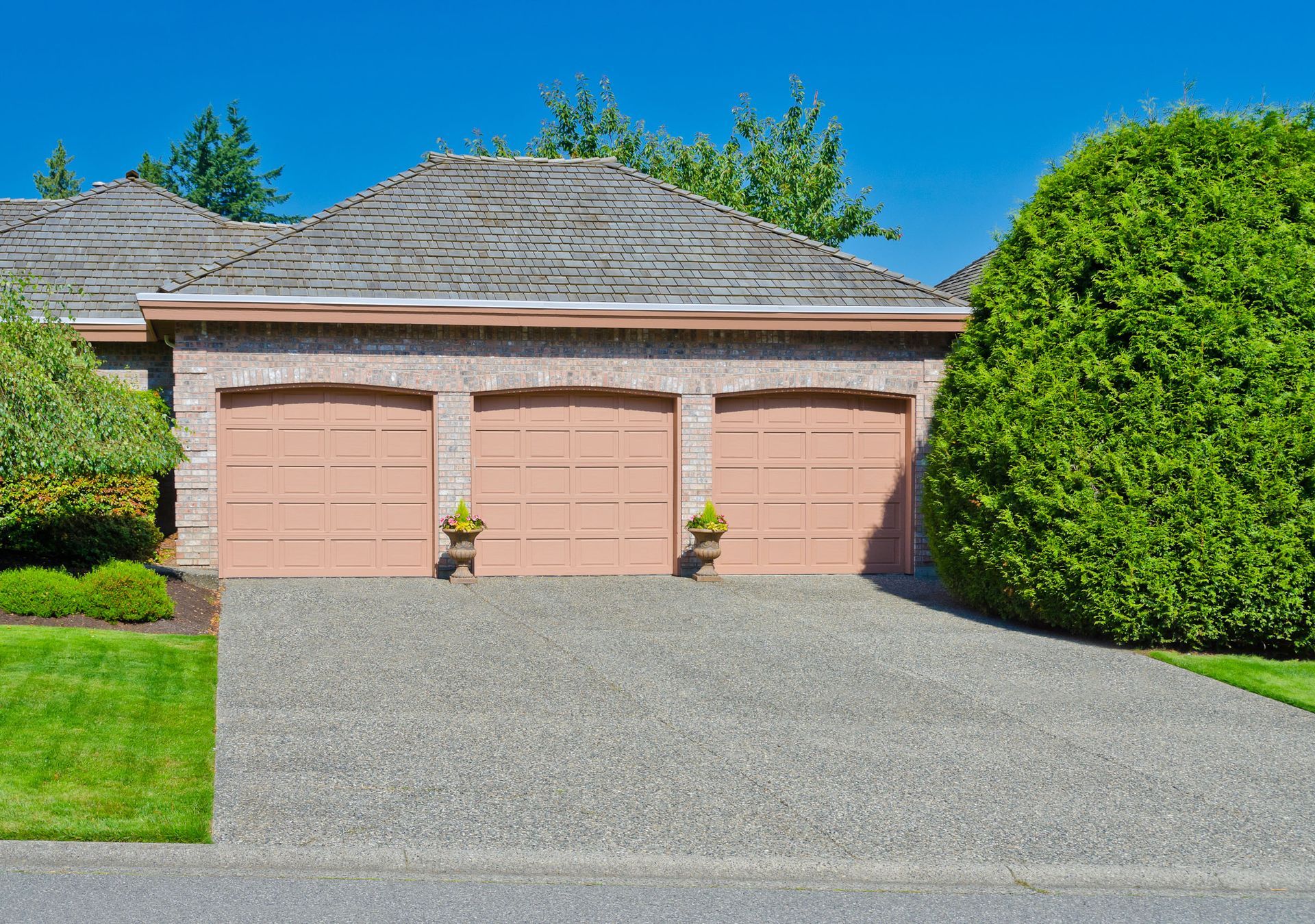
Driveways face vehicle weight, weather changes, and frequent movement. Extensive cracking, surface deterioration, drainage problems, or sections that have settled may reduce both function and appearance. Persistent damage can also make the property entrance look neglected.
A new concrete driveway can be planned with appropriate thickness, reinforcement, and drainage for the site. Local concrete services may be worth considering when the existing surface no longer supports regular use reliably or when deterioration has made the driveway difficult to maintain.
Outdoor Living Space Needs a Better Foundation
A patio should provide a stable, practical place for seating, gatherings, and relaxation. An undersized, badly worn, or poorly positioned slab may limit how the space can be arranged. Cracks, uneven sections, or a layout that no longer matches the household's needs can also reduce the usefulness of the area.
A custom concrete patio can be designed around the home, landscape, and intended use of the space. Decorative finishes, colors, and textures can add visual interest without sacrificing concrete's strength. This makes a patio both a functional improvement and a more inviting outdoor setting.
Walkways Do Not Connect the Property Effectively
A walkway should make movement around the property clear and comfortable. Paths that are too narrow, uneven, poorly graded, or disconnected from important areas may force people onto grass, soil, or unstable surfaces. That inconvenience becomes especially noticeable near entryways, patios, garages, and gardens.
Local concrete services can help create walkways that connect these spaces more deliberately. Width, slope, placement, and finish all affect how well the path performs. A carefully planned walkway can improve circulation while also giving the landscape a more finished appearance.
Stairs Need Better Access and Stability
Concrete stairs are often used at entryways, garden terraces, and multi-level patios. When steps are cracked, uneven, too narrow, or difficult to navigate, they may no longer provide dependable access. Surface wear can also reduce traction and make the stairs look out of place beside newer exterior improvements.
New concrete stairs can be designed with consistent dimensions, suitable finishes, and optional decorative details that complement the property. The goal is to create a durable connection between elevations and support comfortable movement. This type of project requires precise planning because small measurement differences can affect every step.
Indoor or Outdoor Floors Show Heavy Wear
Concrete flooring can serve basements, garages, sunrooms, living areas, and outdoor spaces. Its durability is a major advantage, but years of traffic, moisture exposure, stains, or surface wear may eventually affect its appearance and performance. Cracks or damaged areas may also make the floor harder to use or maintain.
Depending on the condition and desired result, local concrete services may involve floor installation, polishing, finishing, staining, decorative treatments, epoxy coating, repair, or restoration. These options can improve function and design without limiting the floor to a basic gray slab.
Decorative Concrete Could Improve Curb Appeal
A structurally sound surface may still feel plain or disconnected from the rest of the property. Decorative concrete can add color, texture, or pattern to patios, walkways, floors, and other installations. These details can help new work coordinate with the home's architecture and surrounding landscape.
Decorative options are especially useful when a homeowner wants the strength of concrete with a more personalized appearance. Stamped, stained, polished, or textured finishes can create visual depth while preserving the practical qualities that make concrete suitable for frequently used areas. Thoughtful design can improve curb appeal while keeping the finish appropriate for the property.
New Masonry Features Could Add Definition
Stone walls, brick facades, and decorative masonry features can add character, define spaces, and complement driveways, patios, walkways, and stairs. A new masonry feature may improve areas that currently lack visual definition or a clear connection with nearby concrete installations.
According to the National Association of Home Builders, brick remains one of the most durable exterior building materials, with many masonry structures lasting more than 100 years. That longevity helps explain why masonry remains a strong choice for exterior features. Homeowners investing in local concrete services can also coordinate new concrete surfaces with brick, natural stone, or cultured stone features.
A Foundation Project Is Part of a Larger Improvement
Foundations support the structural elements built above them, making planning and workmanship especially important. A residential project that includes a new structure, expanded outdoor area, or other substantial improvement may require a properly designed concrete foundation. This work should match the intended use and site conditions.
Foundation installation is not the same as addressing a minor cosmetic crack. It involves creating a stable base for the planned structure. Homeowners should invest in qualified concrete work when a project depends on reliable support from the beginning rather than attempting to adapt an unsuitable existing surface.
The Property Needs a More Unified Plan
Concrete and masonry improvements are most effective when they solve current problems while supporting how the property will be used in the future. Thoughtfully planned local concrete services can improve movement, durability, and curb appeal without reducing every project to a temporary cosmetic fix. Matey Masonry & Concrete helps Butler County homeowners plan concrete and masonry improvements that support function, durability, and curb appeal. Contact the company to discuss which improvements can resolve existing concerns while creating a stronger, more attractive property.