October 14, 2026
Selecting a reputable concrete company is one of the most critical decisions a property owner can make when planning a new driveway, patio, foundation, or commercial slab. Because concrete work is permanent, labor-intensive, and expensive to replace, hiring an unqualified contractor can lead to severe structural cracking, drainage failures, and costly remediation. Distinguishing high-quality professionals from inexperienced operators requires evaluating specific industry credentials, communication standards, and technical expertise. By systematically reviewing reputation indicators, material knowledge, and contract terms, homeowners and commercial builders can confidently hire a premier contractor who delivers durable, aesthetically pleasing results.
Researching Company Reputation and Community Standing
Evaluating a contractor's reputation within the local community provides immediate insight into their reliability, craftsmanship, and customer service. Reading online reviews on independent platforms helps prospective clients identify recurring service patterns. While occasional negative comments occur in any business, consistent complaints regarding late arrivals, budget overruns, or poor surface finishing serve as major warnings. A high-quality concrete company maintains a strong average rating and responds professionally to client feedback, demonstrating a clear commitment to customer satisfaction and ongoing accountability.
Industry certifications from authoritative organizations further validate a contractor's technical competency and commitment to best practices. Homeowners should look for credentials from established entities like the American Concrete Institute (ACI) or the National Ready Mixed Concrete Association (NRMCA). Certified technicians undergo rigorous training in mix designs, slump testing, rebar reinforcement, and proper curing techniques. Choosing a certified firm guarantees that your project adheres to strict structural standards and current building codes, minimizing the risk of premature surface scaling or structural failure.
Direct word-of-mouth referrals from trusted neighbors, friends, and family members offer authentic, context-rich insights into a contractor's daily operations. Personal recommendations reveal details that online listings often miss, such as site cleanliness, crew professionalism, and post-project responsiveness. Furthermore, analyzing a contractor's digital portfolio and business longevity provides additional peace of mind. Established firms that have operated locally for many years demonstrate financial stability, deep familiarity with regional soil conditions, and a proven track record of enduring craftsmanship.
Evaluating Technical Experience, Expertise, and Material Mastery
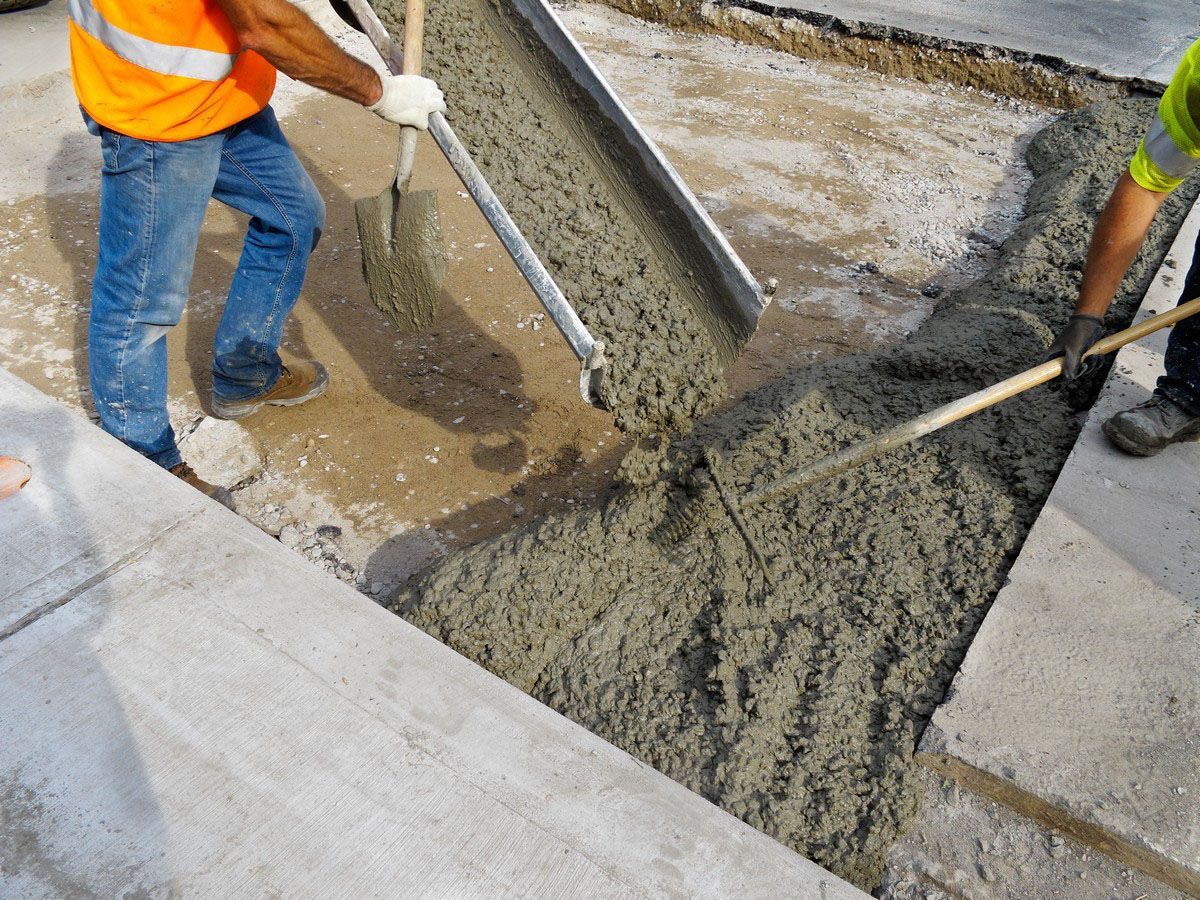
Concrete work spans diverse applications, ranging from basic residential slabs to decorative stamped patios and heavy-duty commercial foundations. High-quality contractors specialize in specific techniques and maintain the specialized equipment required for those applications. Reviewing a contractor's past project portfolio allows clients to evaluate the precision of their control joints, surface levelling, edge finishing, and color consistency. A comprehensive portfolio demonstrates versatility across various project scales, confirming that the crew possesses the practical skill required for your specific build.
Employee qualifications and ongoing safety training are equally critical when evaluating a concrete company. Skilled labor is the backbone of the hardscape industry, where precise timing during placement and finishing dictates the final slab strength. Companies that invest in formal apprentice training, OSHA safety compliance, and continuing education provide a higher standard of workmanship. Furthermore, qualified crews stay updated on modern admixture technologies, such as fiber reinforcement, accelerating agents for cold-weather pours, and high-performance sealers that protect surfaces against freeze-thaw degradation.
Experienced contractors excel at proactive problem-solving when unexpected site challenges arise during excavation or pouring. Unstable subgrade soils, poor natural drainage, or existing structural damage require adaptive engineering solutions. According to Bob Vila, you should call a masonry contractor if a foundation crack exceeds 1/2 inch. Seasoned professionals quickly recognize underlying structural issues, recommending necessary engineering consultations or specialized underpinning before pouring new flatwork. This level of technical diagnostic skill protects your investment and ensures long-term structural integrity.
Assessing Communication, Customer Service, and Professionalism
Clear, prompt communication during initial inquiries reflects how a concrete contractor will manage your project once work begins. Responsive companies respect client time, returning phone calls promptly, answering technical questions thoroughly, and establishing reliable meeting schedules. Active communication during pre-construction planning facilitates smooth decision-making, ensuring that project scope, mix specifications, and site access details are fully understood by both parties before heavy machinery arrives on site.
Financial transparency during the estimate phase is a non-negotiable trait of a high-quality concrete company. Top-tier contractors provide detailed, itemized quotes that outline material costs, excavation fees, rebar or wire mesh reinforcement, sub-base preparation, and site cleanup. Transparent pricing eliminates hidden surcharges and allows property owners to compare proposals objectively. Reputable firms also outline potential site variables—such as poor subsoil conditions or required permit additions—providing a realistic budget framework from the start.
Formal contracts serve as the binding foundation for a successful construction partnership. Written agreements should clearly state project timelines, payment schedules, material specs, psi mix ratings, and warranty coverage for structural defects. Clear contract terms protect both the property owner and the contractor, preventing misunderstandings regarding deliverables or scope changes. Prioritizing contractors who provide unambiguous, legally sound contracts guarantees a professional, stress-free project execution from excavation to final sealer application.
Verifying Licensing, Comprehensive Insurance, and Site Safety
Operating legally and safely requires complete regulatory compliance from your chosen concrete company. Homeowners must verify that the contractor holds an active state or municipal license, confirming they have met local trade competency requirements. Working with unlicensed operators exposes property owners to severe financial liabilities, potential code violations, and compromised structural quality that can ruin property resale value. Requesting proof of active licensing should always be your first step during contractor vetting.
Comprehensive insurance coverage is an absolute prerequisite before allowing any construction crew onto your property. A reputable contractor carries substantial commercial general liability insurance to cover accidental property damage, alongside active workers' compensation coverage for every crew member on-site. If an uninsured worker sustains an injury on your property, the financial liability can fall directly on your homeowner's insurance policy. Verifying active certificates of insurance directly with the contractor's insurance provider guarantees complete financial protection throughout the project.
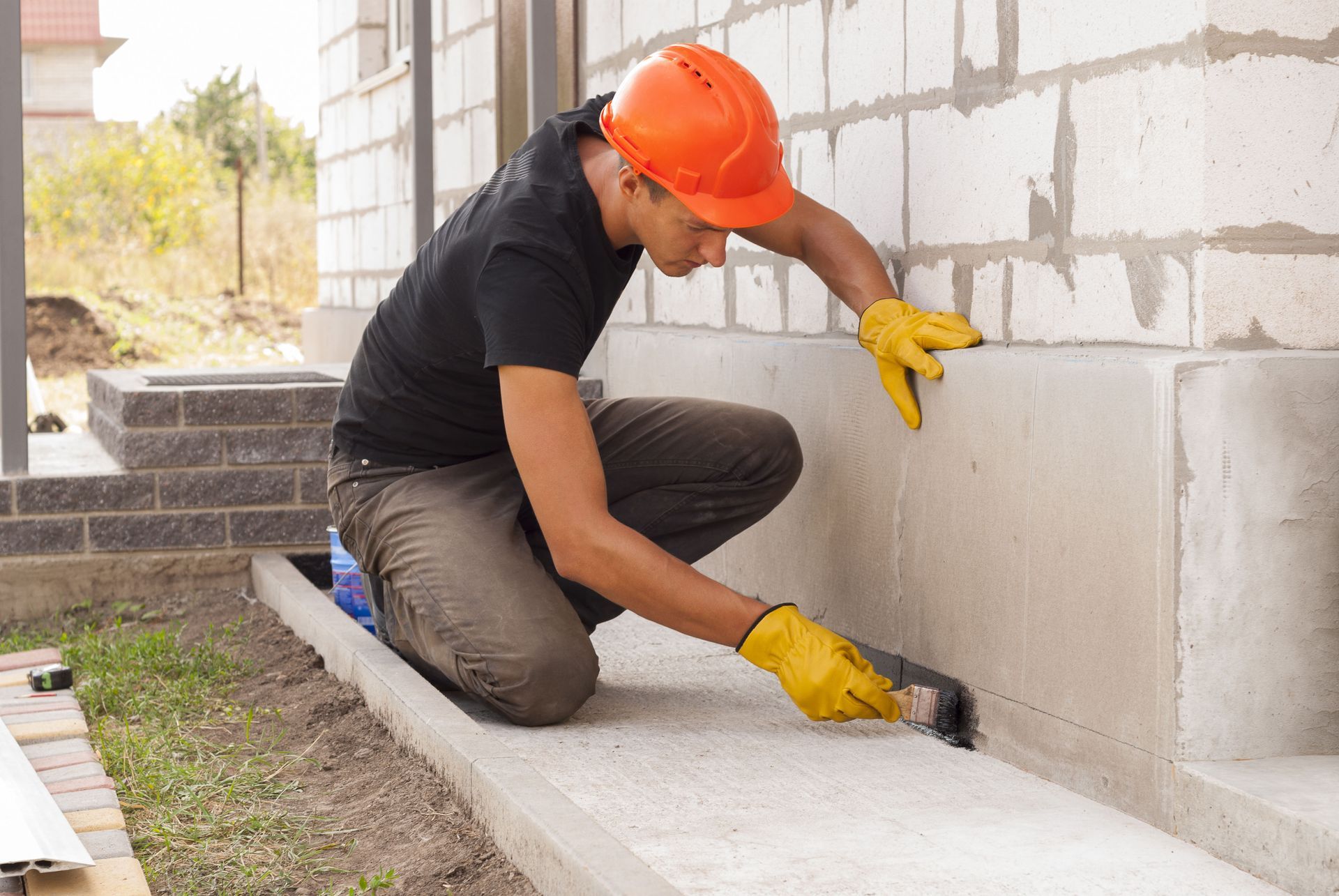
Finally, high-quality contractors prioritize strict site safety and clean job site management. Concrete construction involves heavy machinery, high-pressure pumps, and silica dust exposure during saw-cutting operations. Professional crews utilize personal protective equipment (PPE), set up perimeter safety barriers, and employ dust-suppression tools during joint cutting. A commitment to site safety and daily cleanup demonstrates respect for your property, neighboring homes, and the physical well-being of the workforce.
Spotting a high-quality contractor requires evaluating reputation indicators, technical expertise, financial transparency, and safety compliance. Taking time to review online feedback, verify certifications, inspect past project portfolios, and confirm active insurance protects your financial investment against costly structural failures and contractor negligence. Partnering with a dedicated specialist guarantees that every phase of construction—from subterranean excavation and sub-base compaction to precise rebar installation, pour timing, and protective sealing—is executed to exact engineering standards.
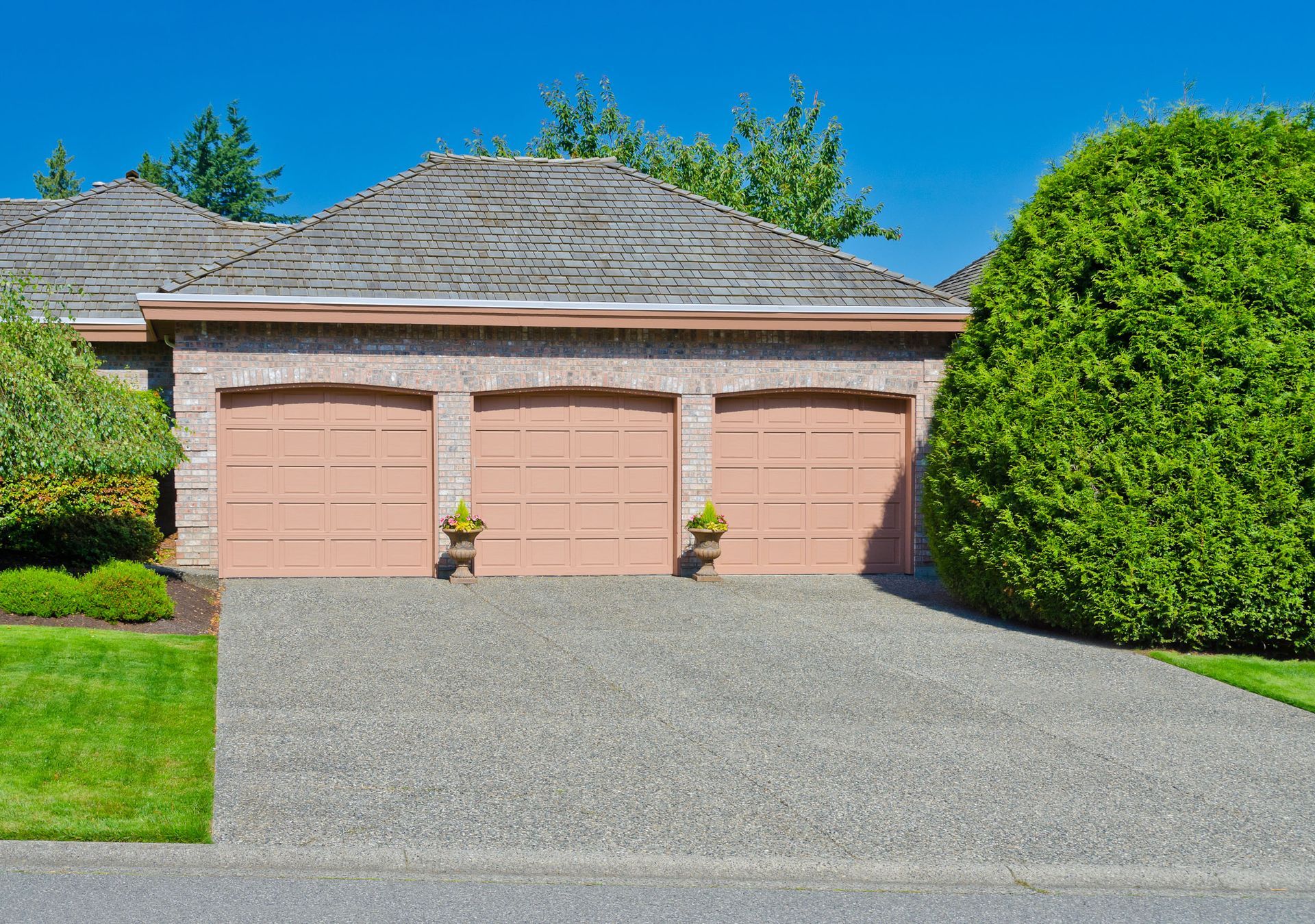
Investing in skilled craftsmanship prevents premature surface scaling, severe structural cracking, and complex drainage issues, ensuring your custom hardscape features comfortably withstand harsh seasonal freeze-thaw cycles and heavy daily vehicular usage over time. A well-constructed slab enhances your property's overall curb appeal, architectural functionality, and total market value for decades. Hiring a professional, customer-focused team ensures your new driveways, walkways, stamped patios, or structural foundations remain exceptionally strong, level, and visually attractive year after year. When you are ready to start your next residential or commercial project with industry-leading craftsmanship, honest communication, and reliable service, trust the experienced team at Matey Masonry & Concrete to deliver superior results tailored to your exact specifications.